
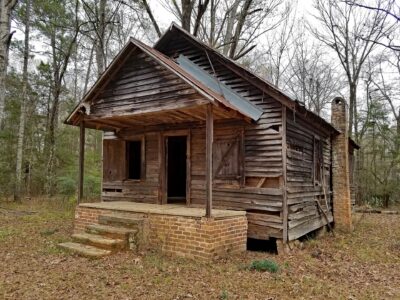
In 1930, the “Independent Benevolent Society No. 28”, which was a burial society connected to Cahaba’s St. Paul’s A.M.E. Church, voted to contribute $ …
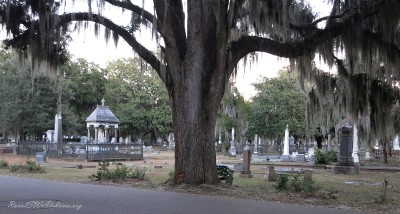
THERE IS GLORY IN THE GRAVES, reads the inscription on the Confederate Monument that stands in the center of Selma’s Live Oak Cemetery. Visitors who …
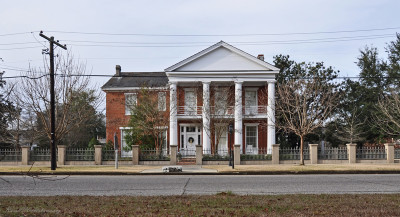
This Greek Revival style home was built around 1850 by Dr. Albert Gallatin Mabry, a prominent physician and member of the Alabama legislature. Dr. Mab …
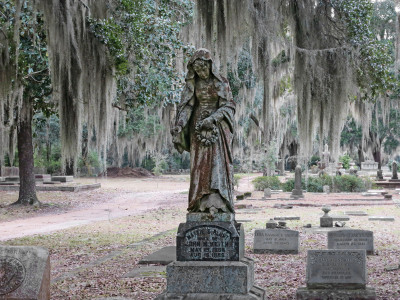
Shown are pictures of the monument that marks the grave of Mattie O. Blunt Keith (1858-1886). This is just one of many beautiful monuments that you wi …
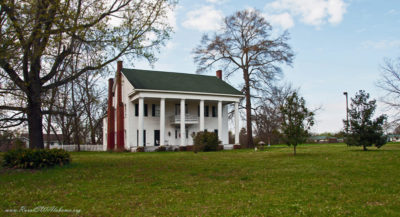
This two-story home was built circa 1860, during the late antebellum period. It has a gable roof that extends over the full-height hexastyle portico w …
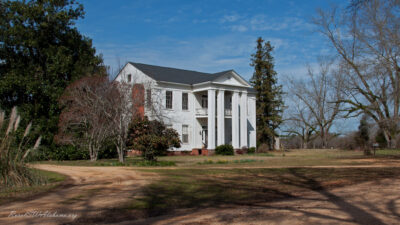
This plantation home, located southeast of Orrville in the Molette’s Bend area of the Alabama River, was built circa 1857 for Lewis Buckley Moseley. T …
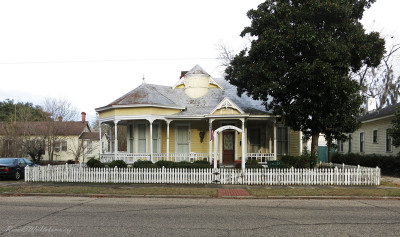
This Queen Anne style house was constructed between 1895 and 1896 by James Nunnelee, editor and publisher of the “Selma Morning Times.” Mr. Nunnelee d …
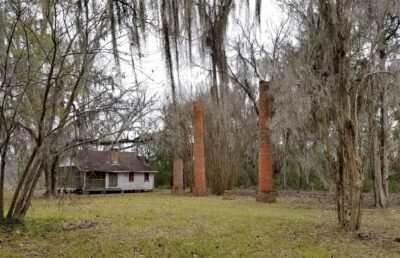
Located east of Orrville at the confluence of the Alabama and Cahaba Rivers, the town initially known as Cahawba served as the state’s first permanent …
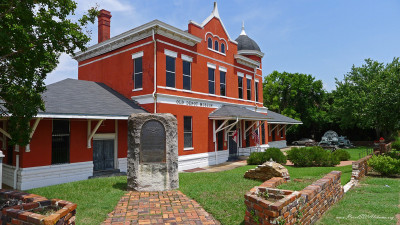
The Old Depot Museum is located at the old L&N Railroad Depot at the end of historic Water Avenue in downtown Selma. The Depot building was built …
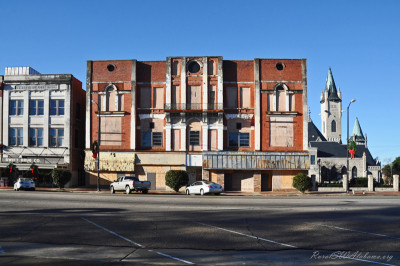
Selma is home to Alabama’s first Young Men’s Christian Association (YMCA) that was founded in 1858, and this is the oldest YMCA building still standin …
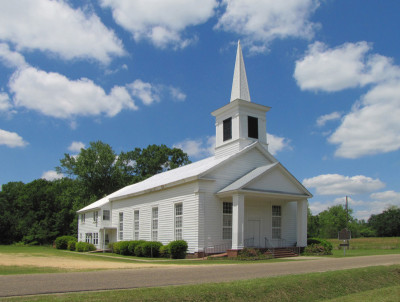
This church is located in Orrville, AL in Dallas County at the intersection of Mill Street South and Academy Street (GPS coordinates 32.30489,-87.2459 …
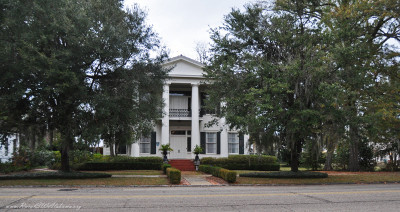
This Greek Revival-style home was built circa 1859 by Dr. Clifford Daniel Parke, a prominent Selma Physician who served as president of the Alabama Me …
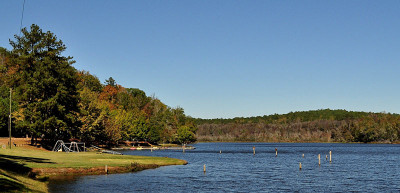
This is a tranquil 1,080-acre park that includes a beautiful 100-acre lake that is surrounded by hardwood and southern pine woodlands. The park has m …
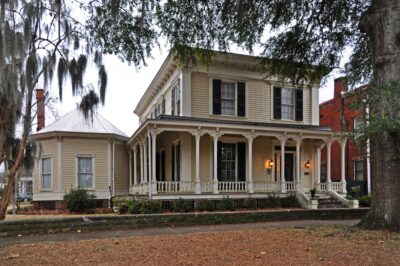
This two-story Italianate-style home was built around 1849. It has elaborately bracketed eaves and woodwork. The house was purchased by Charles Lewis …
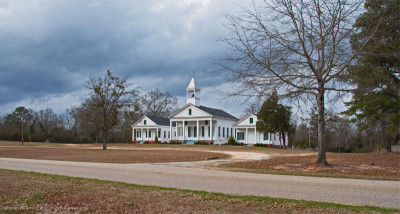
This Baptist congregation was founded in 1840 and the present church sanctuary was built around 1850. Features of this building include a slave galler …
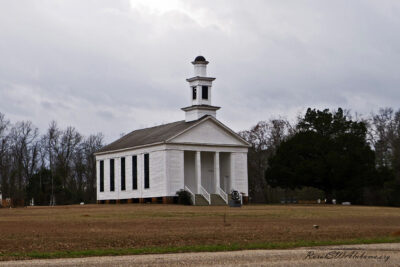
The Pleasant Hill Presbyterian Church, originally known as Mount Carmel Presbyterian Church, is a historic Greek Revival church located in southeaster …
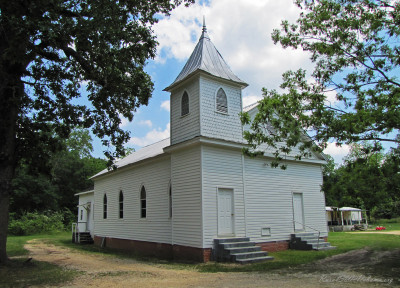
This church was added to the Alabama Register of Landmarks & Heritage (ARLH) on 9/27/07. According to the Alabama Historical Commission’s Preserve …
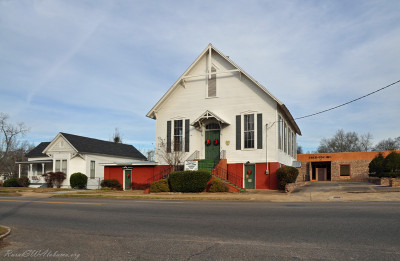
In 1874, Rev. Lewis Johnston, the first African-American to be ordained a Reformed Presbyterian minister, arrived in Selma to preach the Gospel. On Ju …
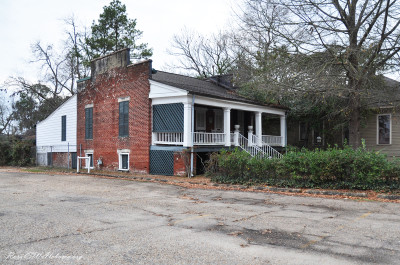
This one and one half-story raised cottage was built circa 1843. It was purchased 20 years later by Louis S. Riggs and the house is still occupied by …
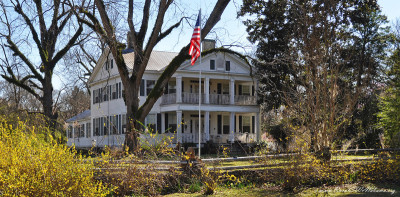
William M. Rumph built his two-story Greek Revival home about 1840. Centered on the façade is a two-story pedimented portico which is supported by squ …
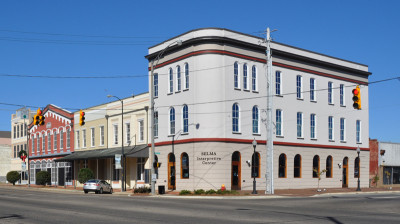
The Selma to Montgomery National Historic Trail was established by Congress in 1996, to commemorate the events, people, and route of the 1965 Voting R …
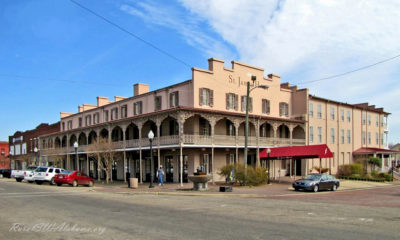
The St. James Hotel is a historic landmark located in downtown Selma. It is one of the few remaining antebellum river hotels in the southeast and the …
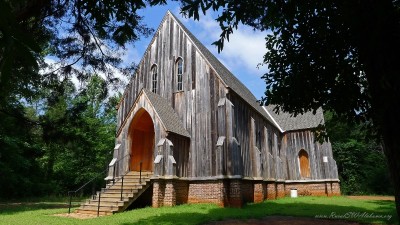
St. Luke’s Episcopal Church was originally built in Cahawba on Vine Street near the intersection of Vine and 1st South Street. Construction began on t …
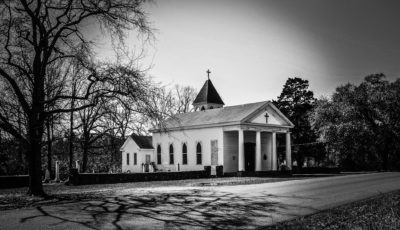
St. Paul’s was built circa 1838 and it originally had a Greek Revival style construction. The church was consecrated in 1844 by Bishop Nicholas Hamner …
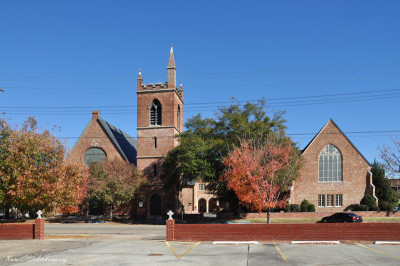
St. Paul’s parish was founded in 1838 and consecrated in 1843. The original building was located on the corner of Alabama Avenue and Lauderdale Street …
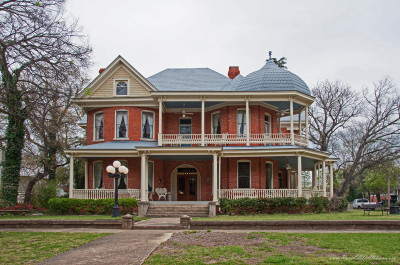
This two-and-one-half story, Queen Anne house was built in 1903 for Henry Martin Smith, a brick company owner. Built of solid brick, the house feature …
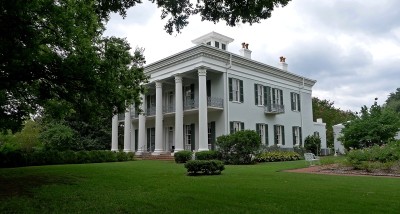
This mansion is one of the finest examples of Greek Revival neo-classic architecture in the Southeast. Construction began on this house in 1852 but wa …
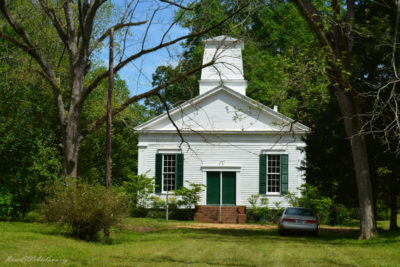
This Methodist congregation was organized circa 1837. The church absorbed the congregation from nearby Childers Chapel when it burned in 1842. The Met …
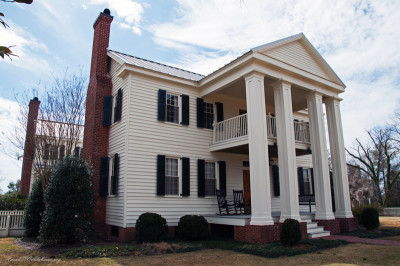
This 2-story, Greek Revival style plantation home, located southeast of Orrville in the Molette’s Bend area of the Alabama River, was built on land or …
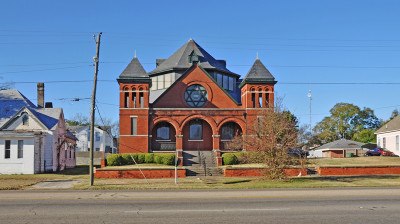
This Jewish temple was completed during December 1899 and dedicated in February 1900. It is a two-story, Romanesque Revival structure with two symmetr …
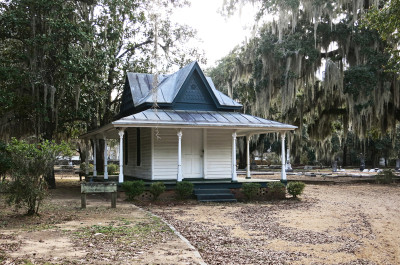
The “Spring House” is located near the Civil War monument in Old Live Oak Cemetery at Selma. This name came from the old practice of having band conce …
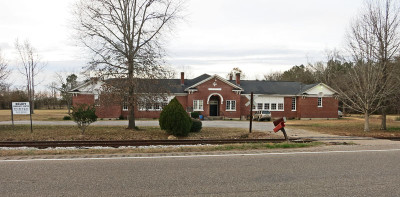
The Beloit Industrial Institute, which operated from 1888 to 1923, was the first Christian school for African-Americans in Dallas County. It was locat …
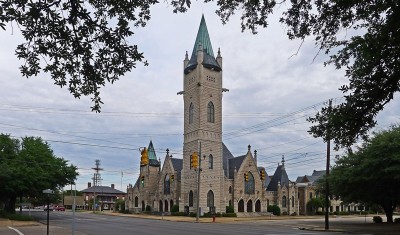
The First Baptist Church of Selma was organized in 1842. The congregation erected their first permanent building in 1850 at the corner of Church Stree …

Shown are pictures of the grave of John A Bell that’s located in the “New” Cemetery at the Old Cahawba Park in Dallas County. On May 23rd, 1856, there …
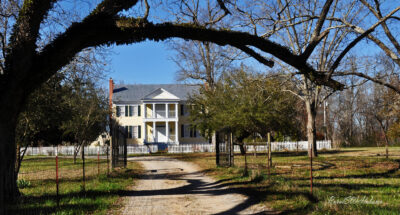
The Green Underwood House, also known as the Underwood-May House and “Black Thistle”, is a Greek Revival-style home that was built circa 1845 by the G …
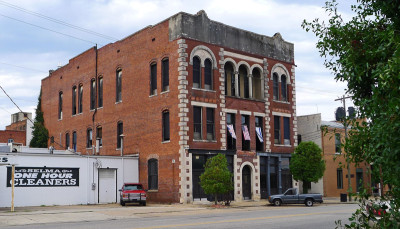
The Harmony Club is a Renaissance Revival three-story commercial building with a cast iron storefront. It was built in 1909 as a social club by Selma’ …
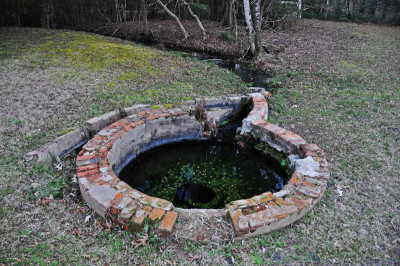
Old Cahawba is located at the site of Alabama’s first state capital (1820-1826). It became a ghost town shortly after the Civil War. Today, the old Ca …
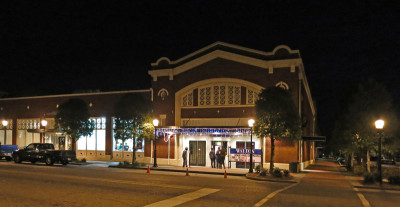
The Walton Theater opened for operation in 1914. During the late 1940’s, in addition to running feature films and hosting vaudeville shows, the Walto …
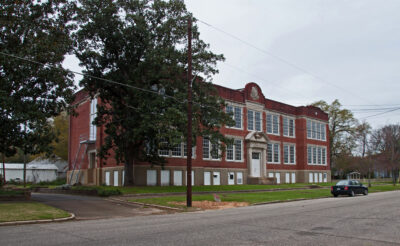
This building built in 1913 was Selma’s first High School. The 25,000 square foot structure has two full floors above ground, and a full basement. It …