
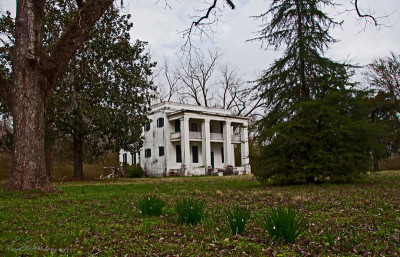
This is just one of the many interesting things that you will find in the Old Cahawba Park that is located near Orrville, AL. Barker’s Slave Quarters …
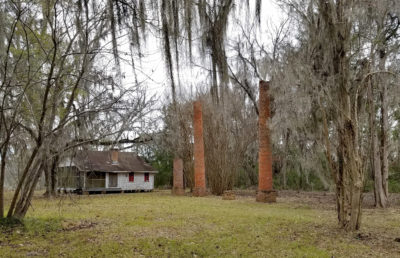
Cahawba, also spelled Cahaba, was Alabama’s first state capital (1820-1826). It became a ghost town shortly after the Civil War. Today, the old Cahawb …
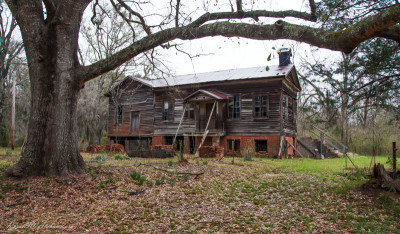
The Fambro-Arthur house gets its name from two of its owners. One was a judge, and the other was a former slave. Judge W. W. Fambro built this house i …
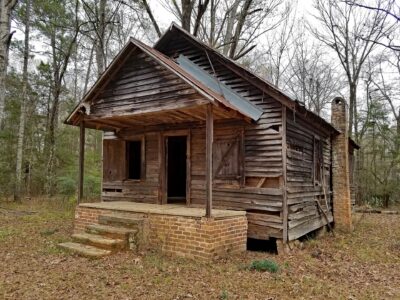
In 1930, the “Independent Benevolent Society No. 28”, which was a burial society connected to Cahaba’s St. Paul’s A.M.E. Church, voted to contribute $ …
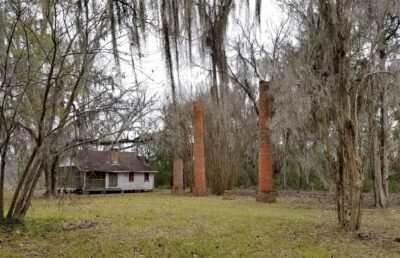
Located east of Orrville at the confluence of the Alabama and Cahaba Rivers, the town initially known as Cahawba served as the state’s first permanent …
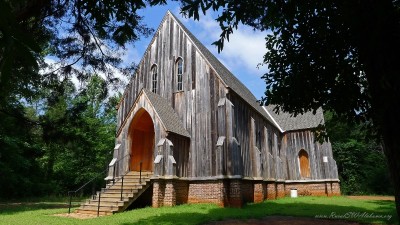
St. Luke’s Episcopal Church was originally built in Cahawba on Vine Street near the intersection of Vine and 1st South Street. Construction began on t …

Shown are pictures of the grave of John A Bell that’s located in the “New” Cemetery at the Old Cahawba Park in Dallas County. On May 23rd, 1856, there …
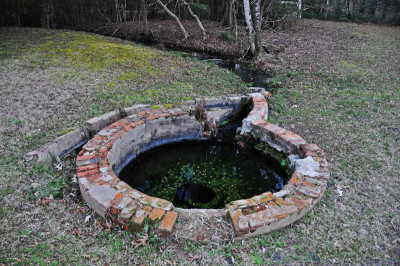
Old Cahawba is located at the site of Alabama’s first state capital (1820-1826). It became a ghost town shortly after the Civil War. Today, the old Ca …