
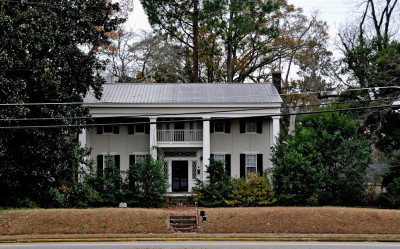
This house, originally a stagecoach inn, was build in old Erie and moved to Eutaw by Dr. Abram F. Alexander who gave it to his daughter and her husban …
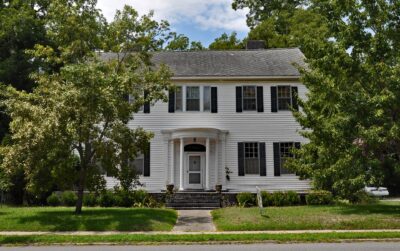
Dr. John C. Anderson purchased this lot in February of 1849 and had a home built consisting of two front rooms with four windows each and two smaller …
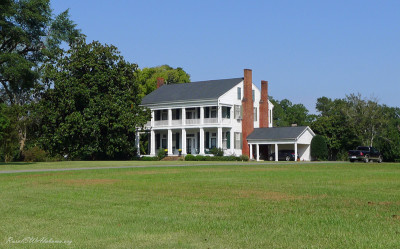
The Asa White house, also known as the White-McGiffert house, was built circa 1838 by Colonel Asa White, one of Greene County’s earliest settlers. Eut …
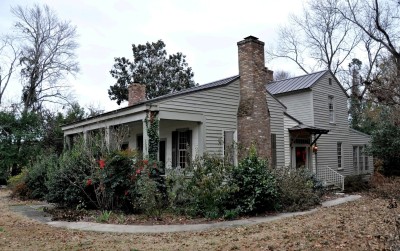
The Attoway R. Davis Cottage is a historic house in Eutaw, AL. The main portion of this house is a two-story I-house, built in 1817. It is the oldest …
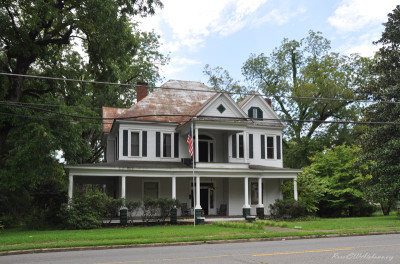
This house was built in stages between 1899 and 1909. As the Palmer family grew, so did the house – three kitchens were built for family usage. This w …
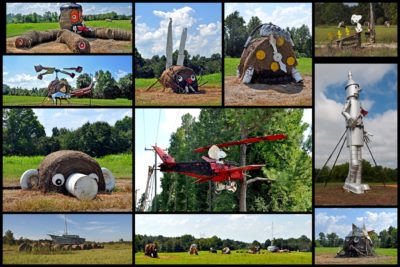
Many motorists driving along Highway 43 between Demopolis and Eutaw have done a double-take when they see Bird’s Farm for the first time. Bird’s Farm …
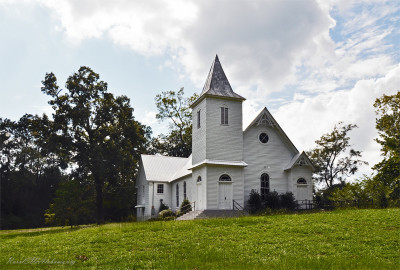
The Boligee Presbyterian Church was established October 31, 1900. Positioned on the crest of a small hill, this beautiful church features a corner tow …
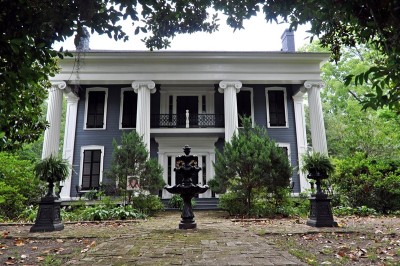
The Capt Edwin Reese House, also known as the Basil Hall, is a historic Greek Revival style house in Eutaw. The house is a two-story wood framed build …
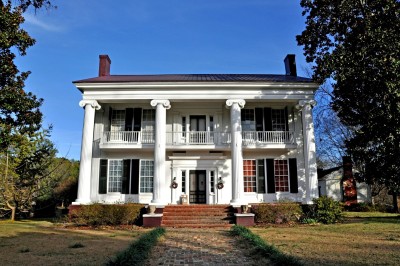
The Coleman-Banks house, also known as the James Oliver Banks house, is the first of four antebellum homes at Eutaw, AL to have original colossal-orde …
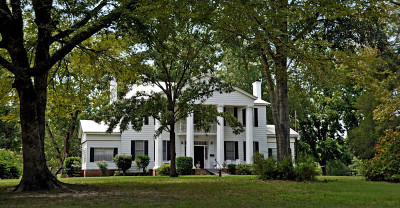
Duncan Dew was a well-known planter and businessman of Eutaw. He came to Eutaw in 1822 and built this house about 1832. It is L-shaped and has elabora …
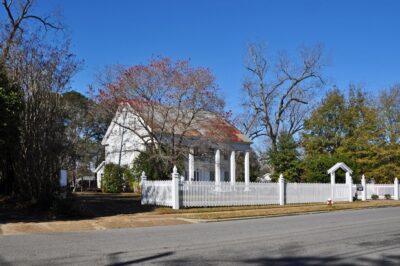
The Dr. Willis Meriwether House, also known as the Clark-Malone House, is a historic vernacular Greek Revival style house in Eutaw. The house is a two …
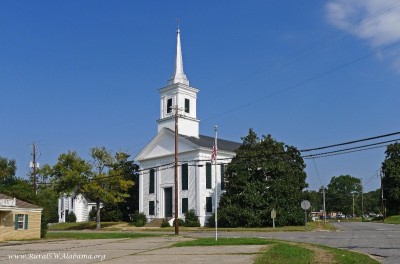
This Presbyterian Church was established as a congregation in 1824, worshipping in a smaller church in old Mesopotamia, one mile to the northwest of E …
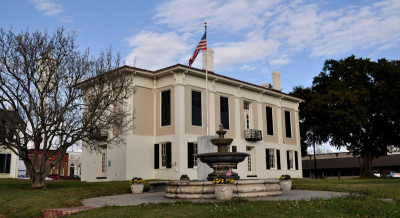
Soon after the town of Eutaw was surveyed in 1838 and laid out as the newly established seat of Greene County, John V. Crossland began construction of …
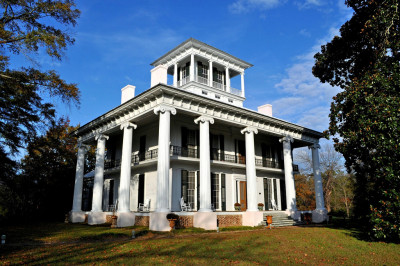
Kirkwood is a historic antebellum plantation mansion located in Eutaw. It is a Greek Revival style house with Italianate influences. The house has two …
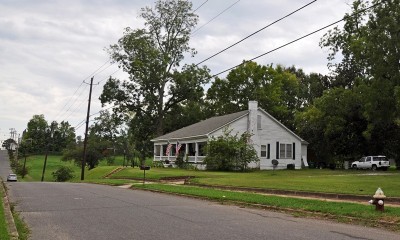
This one-story wood-frame house, built in the early 1840’s, features a Creole Cottage-style architecture with later Greek Revival modifications. It is …
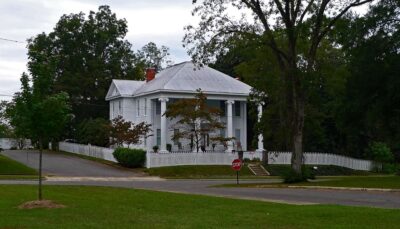
William Scears owned the plantation home, Glenville, which was located about three miles from town. He built “Magnolia on Main” circa 1904 as a townho …
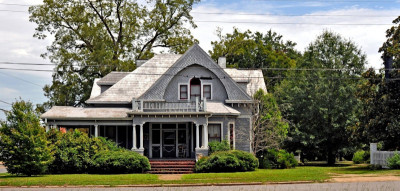
This house was built in 1906 for Dr. Martin Luther Malloy and his wife Laura Malloy. It is a George F. Barber home. The house is a free-classic Quee …
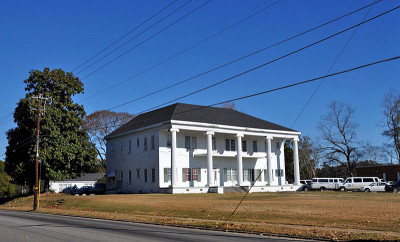
The original site of the Mesopotamia Female Seminary was just west of Eutaw. In 1889 this building was moved to the present location at the intersecti …
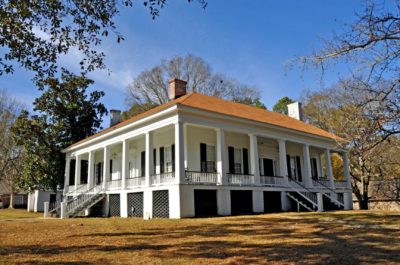
The Murphy-Dunlap house is just one of many historic antebellum homes in Eutaw. This frame-story-over-high-brick-foundation style house was built in 1 …
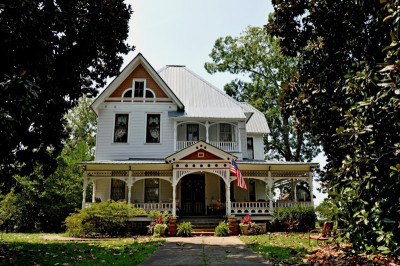
This two-storied Queen Anne style home was built in 1896. It was originally painted in autumnal colors. Tall chimneys penetrate the complex roof of …
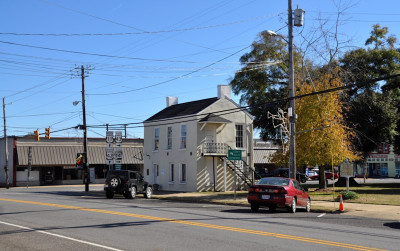
This small two-story brick building is referred to as the Old Sheriff’s Office and the Grand Jury Room. It is located on the northeast corner of Euta …
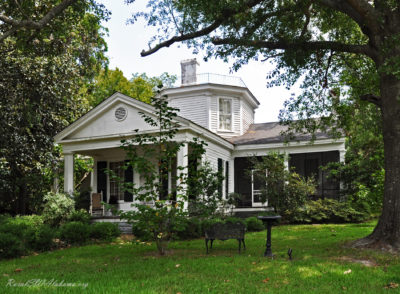
This home began as a one-room law office that was built and used by Judge William C. Oliver. On December 29, 1859, he sold his office to Gustave Braun …
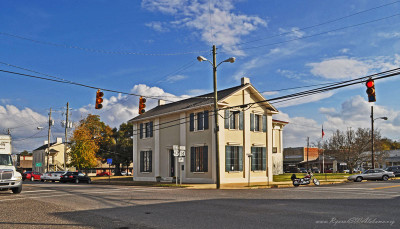
The centerpiece of the Courthouse Square at Eutaw is the old Greene County Courthouse which was built in 1870. Located on the northwest corner of the …
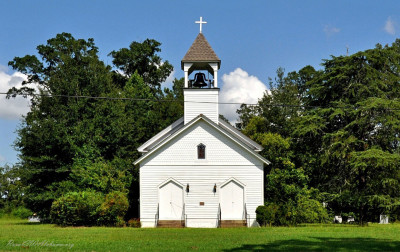
This church was built in 1854 at the plantation community of The Fork of Greene located twelve miles southeast of Boligee. The building was consecrat …
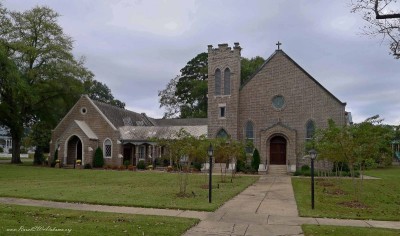
In 1845, the Anglican minister Rev. John H. Linebaugh organized and taught an Anglican confirmation class in Eutaw. Nine were confirmed in June of 184 …
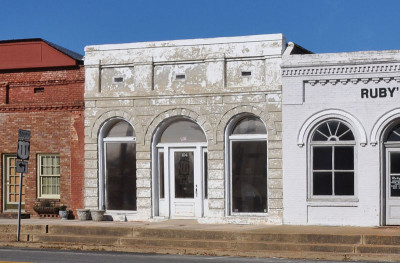
The Bank of Eutaw opened on Feb. 15, 1882, with B.B. Barnes as cashier. The rusticated stucco facade of imitation stone and the round arches of the wi …
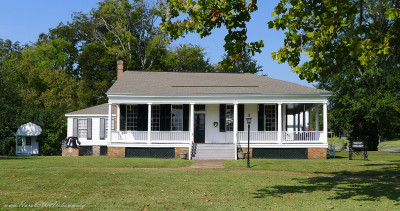
This home was built circa 1841 by Iredell P. Vaughan, a tailor, for his new bride, Miss Ann Margaret Steele. It has a raised Creole Cottage style cons …
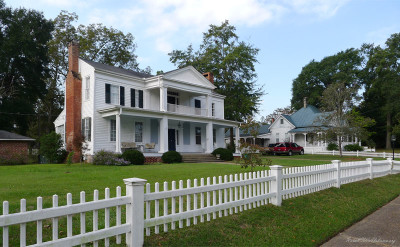
This home was built circa 1840 for William Peter Webb, a lawyer from North Carolina who was one of the earliest residents of Eutaw. During early remod …
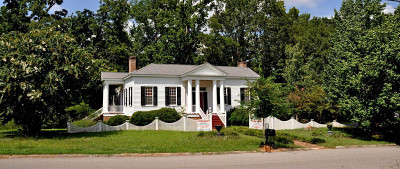
The William B. Willis House, commonly referred to as “Sipsey”, is an L-shaped, one story, Greek Revival clapboard house on a high brick foundation. It …
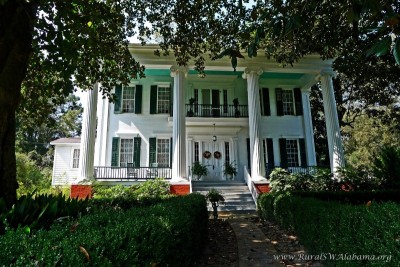
The William Perkins House, also known as the Freemount, is a historic Greek Revival style house that was built in the 1850s by William Perkins, a weal …
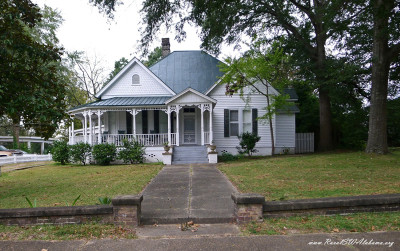
The William R. Ward cottage, built in 1896, is one of the early works of Brough, Eutaw’s noted Victorian-style home builder. The main portion of the …
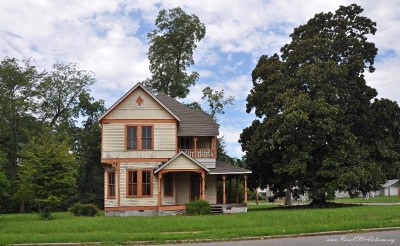
This late-Victorian house was built around 1880. It is located at the intersection of Wilson Avenue and Boligee Street near downtown Eutaw, AL. This i …