
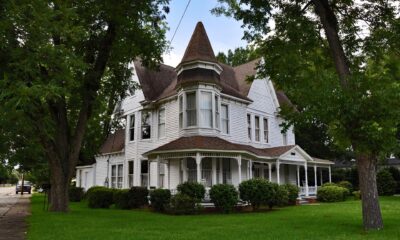
This beautiful 2 1/2 story, Queen Anne style home was built in 1894 by Rev. S. A. “Soc” Adams who was a Baptist minister, architect, and building cont …
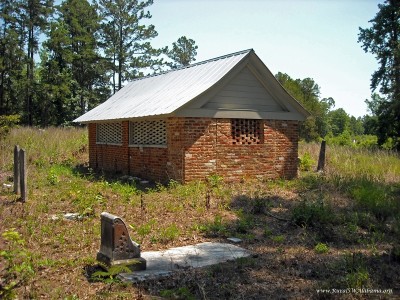
The Airmount Grave Shelter, also known as the Hope Family Grave Shelter, is a Greek Revival structure located in the Airmount Cemetery near Thomasvill …
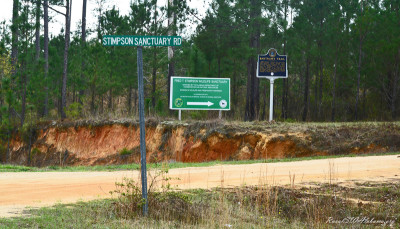
This marker is located in south Clarke County approximately 11 miles south of Jackson, AL on Co. Rd. 15 (Rockville Rd.) at the entrance to the Fred T. …
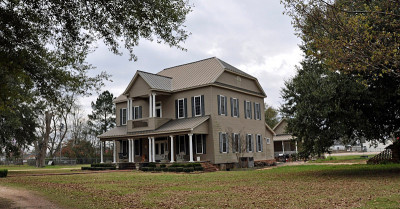
The Bush house is a historic home in Grove Hill, Alabama. The two-story Colonial Revival style house was built in 1912. It was added to the National …
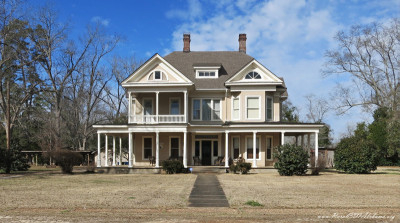
This is one of the finest illustrations of the Queen Anne style homes that are located in Jackson. The house’s complex roof features jerkinhead or cli …
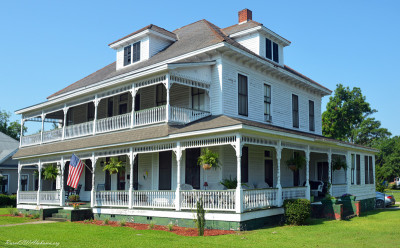
This 2 ½ – story home was built circa 1904 for Dr. and Mrs. W. P. Cannady by Lionel Erastus “Ras” McLeod. Ras built many homes in Jackson. Later his s …
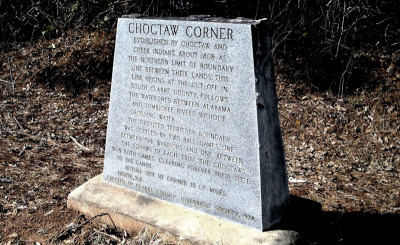
This historical marker is located west of Thomasville on County Road 48 near the Bashi community (GPS coordinates N31.970778,W87.830889). It describe …
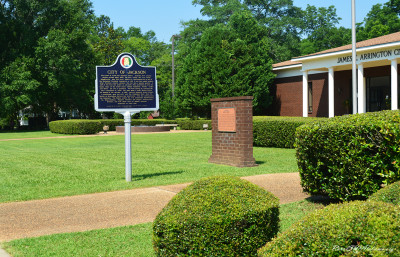
This historical marker is located beside Commerce Street in front of the James E. Arrington City Hall Complex near downtown Jackson (GPS coordinates 3 …
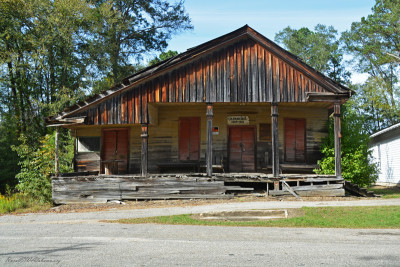
This is one of only a few wood frame, free-standing gable front, commercial buildings that remain in Clarke County. It was built around 1890 by David …
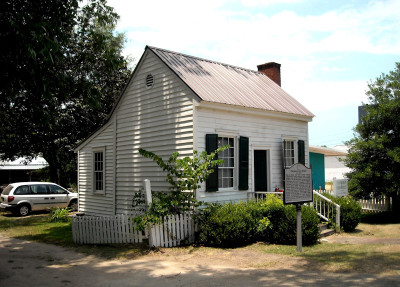
This office was built circa 1834 by Judge John Gates Creagh who was an attorney, commissioner, county treasurer, judge of county orphans court and sta …
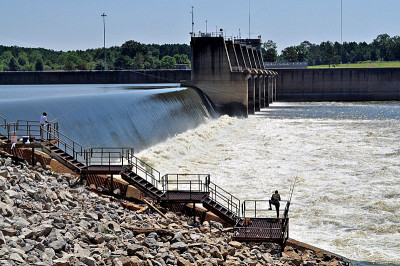
Damsite West Bank is a small park that is owned and managed by the U. S. Corp of Engineers. It is located northwest of Gosport, AL on the west bank o …
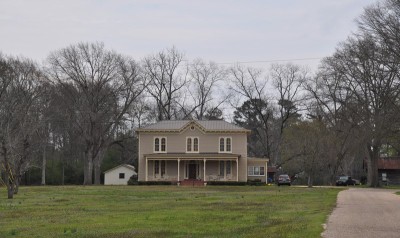
The Dickinson House is a historic two-story Italianate style home at Grove Hill, AL. It was built circa 1845. The architect is believed to have been a …
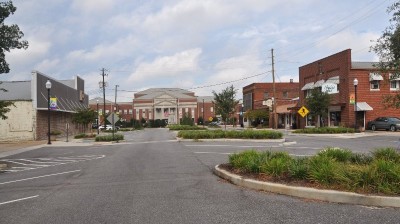
In the background is the Clarke County Courthouse. It is included in the “Grove Hill Courthouse Square Historic District” that was added to the Nation …
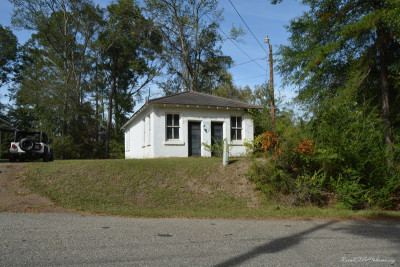
This was the medical office of Dr. John Cooper Godbold, Jr. (1888-1952). Dr. Godbold was the son of a Wilcox County physician. He came to Whatley in 1 …
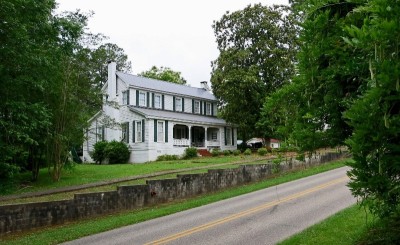
Dr. John A. Kimbrough and his bride, Stella Oakley of Pine Hill, were married in November 1899 on the day of the great fire that destroyed Thomasville …
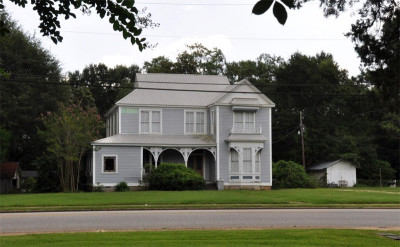
This house was built in 1883 for Dr. Thomas Isham Kimbell, the son of early Clarke County pioneer Isham Kimbell. It is a 2 1/2 story Queen Anne house …
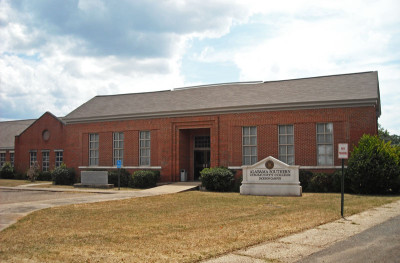
In 1891, nine agricultural schools, one in each congressional district, were authorized by the Alabama Legislature. One of the schools was located at …
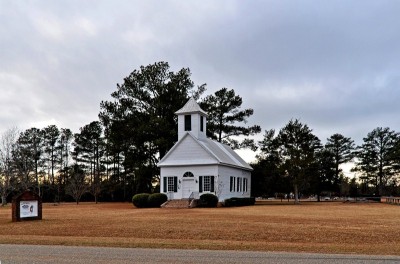
This church was founded in 1819 by Rev. Joshua Wilson. In 1854, a two-story building was built on this site. The lower floor was a church and the upp …
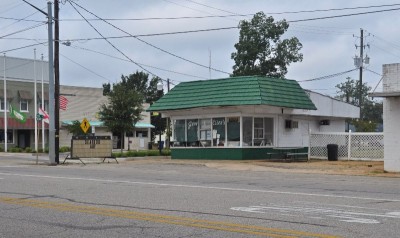
Shown is Gene & Ellen’s Drive-In which is located in the middle of downtown Grove Hill. You walk up to the window, tell the folks what you want an …
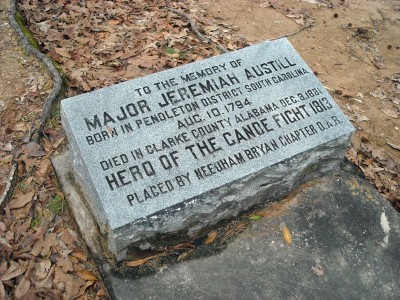
Jeremiah Austill is known as the Paul Revere of Clarke County. As a teenager, he volunteered to make a dangerous night ride to Mt. Vernon following th …
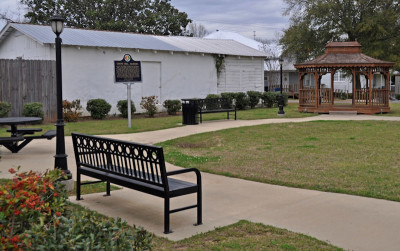
This historical marker is inside the Laurie Carleton Park that’s located at downtown Grove Hill in front of the Clarke County Courthouse (GPS coordina …
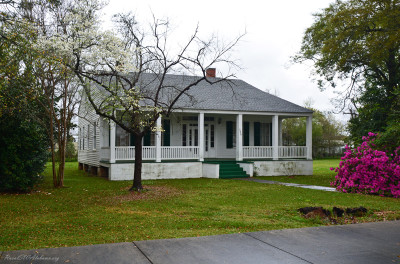
This 1 1/2 story, 5 bay wide, Greek Revival house has a recessed, front porch and a side gable roof with returns. The full width porch has six square …
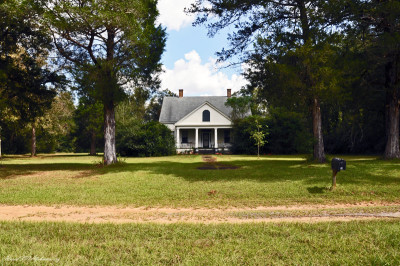
The land on which this house is located was patented by the U. S. government to schools along with all of the 16th sections in the State. On January 4 …
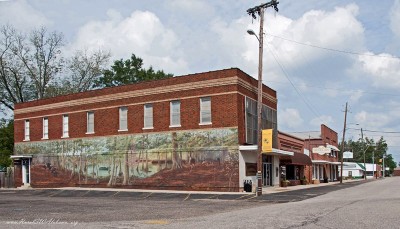
The “Heart of Clarke” wall mural is located beside the mini-park at the Courthouse Square in Grove Hill, AL. It was painted by local artists, Johnna B …
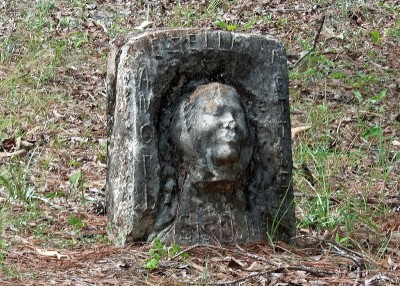
Located near the southern tip of Clarke County just west of Carlton is the Mt. Nebo Baptist Church and Cemetery. In the cemetery, there are three grav …
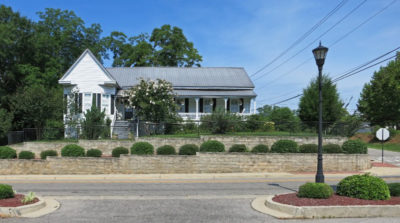
This home is a contributing property to the Thomasville Historic District that was added to the National Register of Historic Places (NRHP) on Februar …
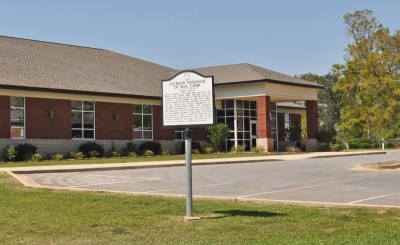
This historical marker is located on College Avenue at Jackson, AL in front of the Clarke-Mobile Gas District office (GPS coordinates 31.531688,-87.89 …
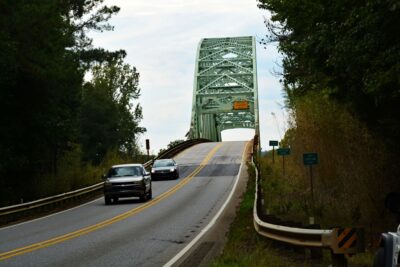
This is a steel through arch style bridge that’s across the Tombigbee River on US 84 at Coffeeville. The bridge was completed in 1958 and is named for …
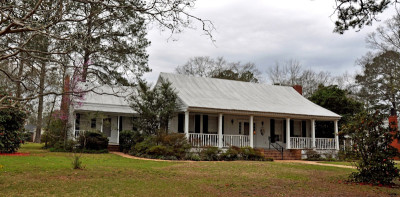
The John A. Coate House is a historic house in Grove Hill, Alabama. The one-story spraddle-roof house was built in 1855. It was added to the National …
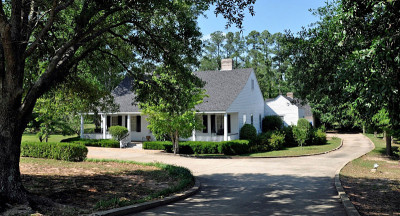
This was the home of Isham Kimbell, the only family member to survive the Kimbell-James Massacre which occurred in Clarke County near Whatley, AL in 1 …
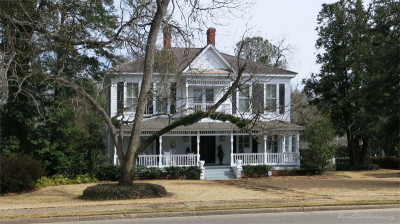
This two-story, Queen Ann-style home was built in 1896 for Dr. Klyce who was the president of the First District Agricultural College which was locate …
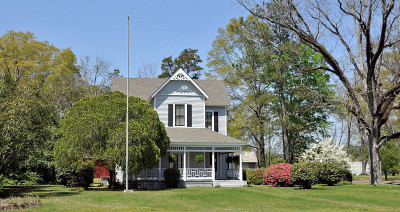
This beautiful home is one of Jackson’s most outstanding examples of Queen Anne style architecture. It is an asymmetrical, two story, Queen Anne house …
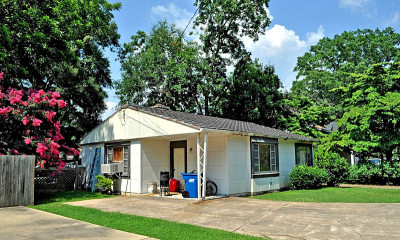
Lustron homes are prefabricated, enameled-steel houses developed in response to the shortage of housing for GI’s returning from World War II. They we …
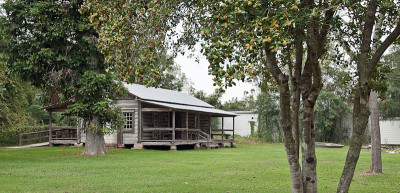
This dogtrot log Cabin was built in the 1830s by pioneers Josiah and Lucy Martin Mathews, who came to Clarke County from South Carolina. By 1840, the …
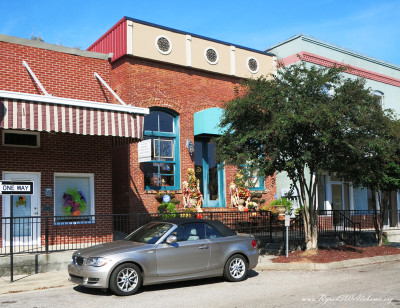
This building housed Thomasville’s bank from 1904 until at least the early 1950s. It is a one-story, brick building. Steps lead up from the sidewalk t …
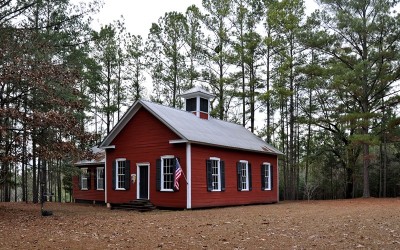
The Gainestown Schoolhouse is a good example of an early 20th-century, two room schoolhouse. Although it has undergone significant restoration, it sti …
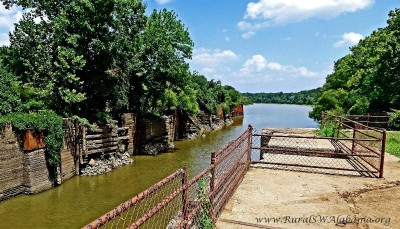
The slider above shows 8 pictures of this park. The Old Lock 1 Park is located at the remains of Old Lock 1 on the Tombigbee River between Jackson and …
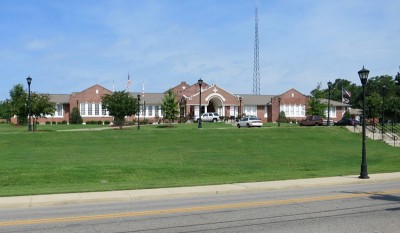
This school was constructed in 1927-1928 by local contractor Ashland Spinks. The newly completed $50,000 building opened for white students on Monday, …
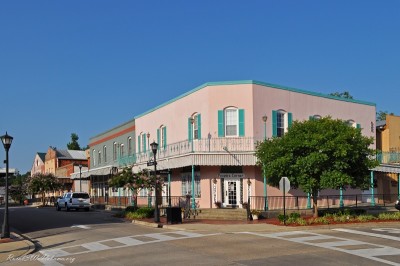
This building was constructed in 1902 to house Andrew’s Hardware. It later became People’s Drug Store, a popular town meeting spot, until it closed in …
- 1
- 2