
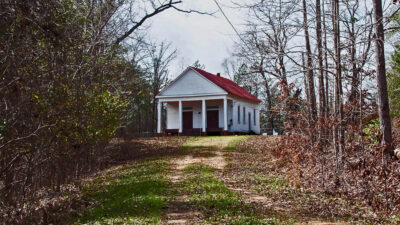
The Ackerville Baptist Church of Christ congregation was founded in 1844 with twenty-eight members. Membership had risen to seventy-nine by 1847, and …
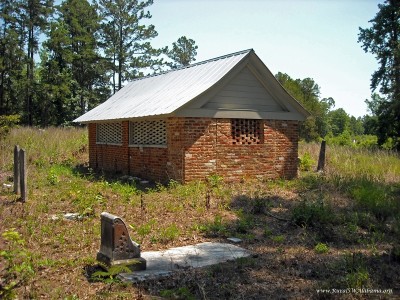
The Airmount Grave Shelter, also known as the Hope Family Grave Shelter, is a Greek Revival structure located in the Airmount Cemetery near Thomasvill …
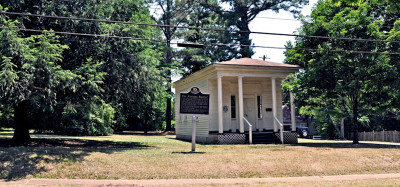
The first issue of The Alabama Baptist newspaper was published on February 4, 1843 in Marion, AL. This building, built as an office building in the e …
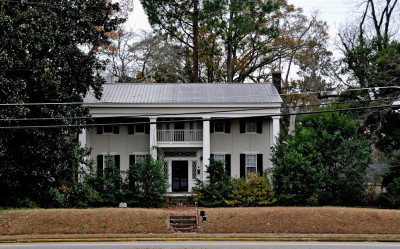
This house, originally a stagecoach inn, was build in old Erie and moved to Eutaw by Dr. Abram F. Alexander who gave it to his daughter and her husban …
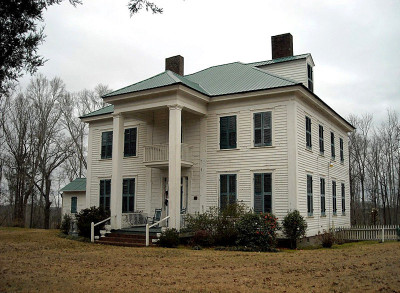
This Greek Revival style house was built for John Gray Allen in 1857 by David Rudisill. It is a two-story frame structure with a two-story front porti …
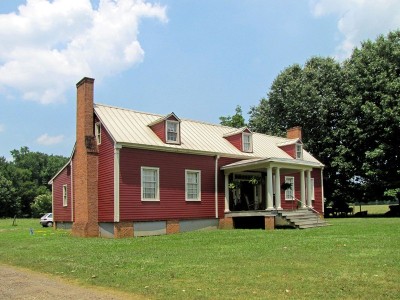
Altwood is a historic plantation house located approximately six miles southwest of Faunsdale. It was built circa 1836 by Richard H. Adams. It began …
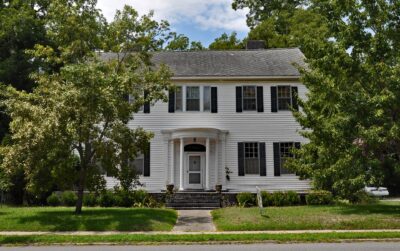
Dr. John C. Anderson purchased this lot in February of 1849 and had a home built consisting of two front rooms with four windows each and two smaller …
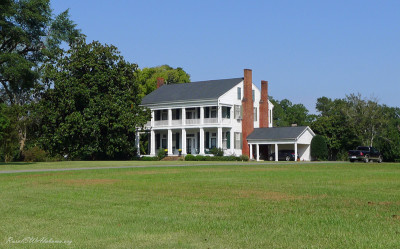
The Asa White house, also known as the White-McGiffert house, was built circa 1838 by Colonel Asa White, one of Greene County’s earliest settlers. Eut …
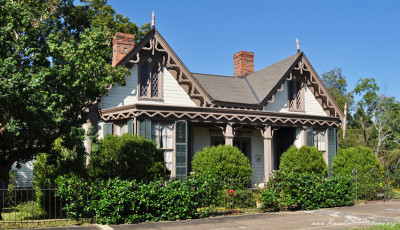
Ashe Cottage, also known as the Ely House, is a historic Carpenter Gothic house in Demopolis. It was built circa 1832 and expanded and remodeled in th …
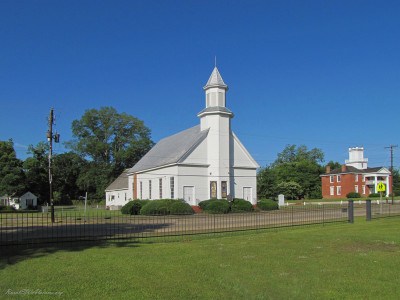
Located in front of this church is a historical marker. Following are the details provided on this marker: “This building was constructed c. 1849 as a …
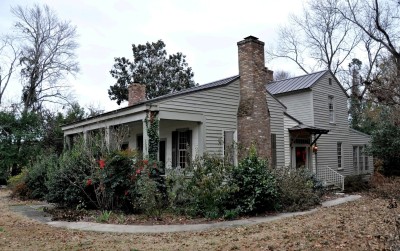
The Attoway R. Davis Cottage is a historic house in Eutaw, AL. The main portion of this house is a two-story I-house, built in 1817. It is the oldest …
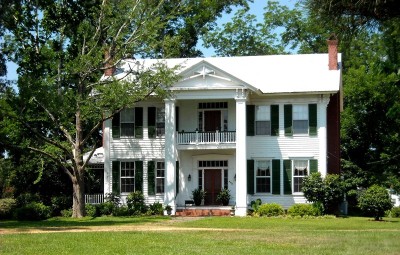
Arthur Pendleton Bagby, who served two terms as Governor of Alabama (1837 and 1839) and later as a U. S. Senator, moved to Camden in 1853. He contrac …
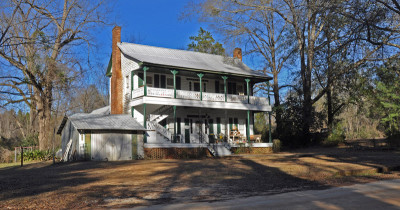
It is believed that this house was built for Jehu Bates and his wife, Janet Barnes Bates. Jehu bought the property in 1833 and sold it after his wife …
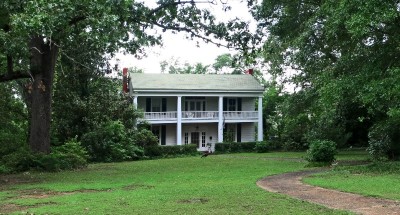
This Vermont Colonial-style house was built by the Bates family circa 1830. This two-story structure was originally constructed of hand-hewn logs that …
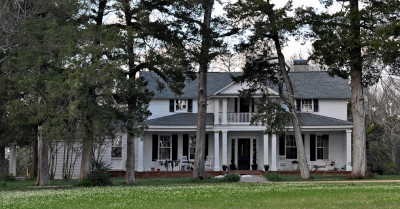
This is a historic plantation house located in south Hale County at Gallion. It was built around 1820 as a two-by-two log cabin. By the 1840s, two ad …
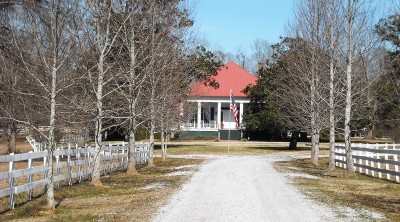
This home, known as “River Bluff House,” was built around 1847 for William King Beck, a nephew of William Rufus King, Vice-President of the United Sta …
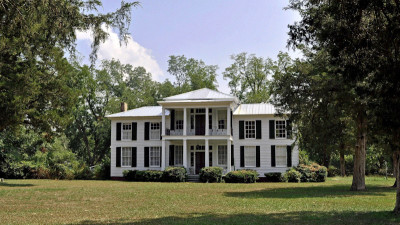
This house, commonly referred to as “The Beck Place”, is a two-story frame building constructed circa 1850-60 in a vernacular interpretation of the Gr …
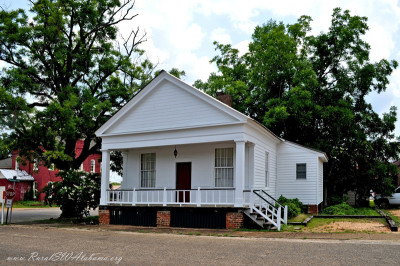
This historic building located in Camden’s downtown historic district served as the law office for Colonel Franklin King Beck. Colonel Beck, who comma …
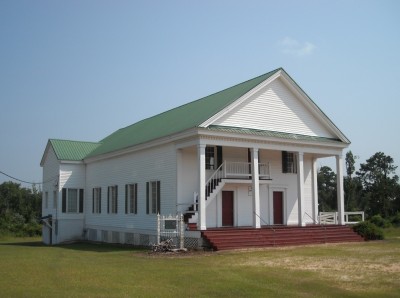
This church was built circa 1840. It is a two story frame building with portico and external stairs leading to a slave gallery. All of the building ma …
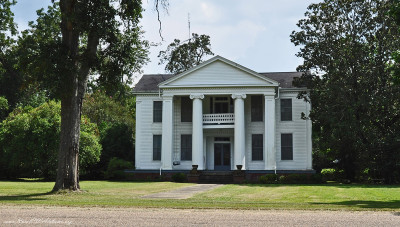
This 5,000 square feet Greek Revival building was originally constructed circa 1850 as a boys’ academy. The contractor was Willis H. Green. In 1880, t …
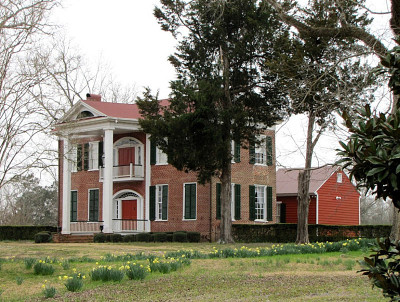
The Bethea-Strother house, also known as “Pleasant Ridge”, is the only brick antebellum residence remaining in Wilcox County, and one of the few extan …
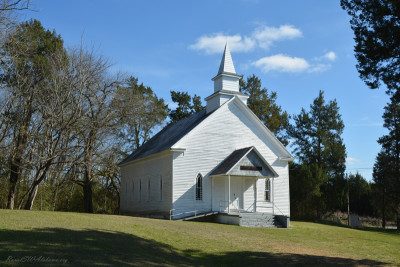
The Bethel Presbyterian Church was established on September 22, 1835, about 3 miles toward the northwest near Emelle where the Bethel Memorial Chapel …
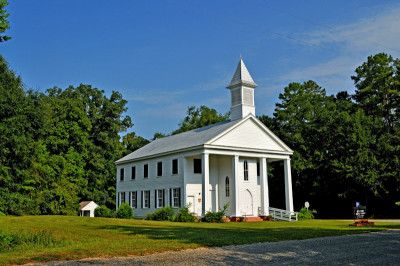
Bethsaida Baptist Church was founded in 1831 at a site very close to the present building. Elder Hawthorne was the first pastor, and some of the found …
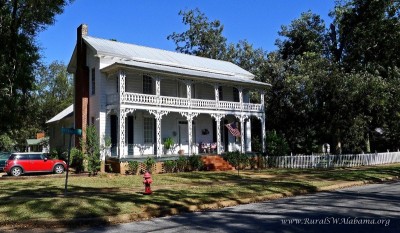
This home was built for Edward A. Blount and his wife, Mary, between 1853 and 1859. In January 1852, the Blounts bought three lots at the location of …
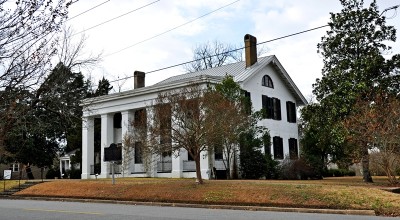
Bluff Hall is located atop a limestone cliff overlooking the Tombigbee River in Demopolis. The house was built in 1832 by Allen Glover for his daughte …
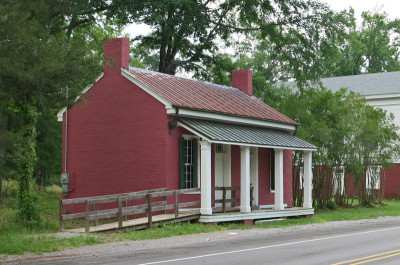
This small brick building, known as the “Boddie” Law Office, is one of the few remaining buildings in Dayton, AL. It was built by Oliver B. Boddie an …
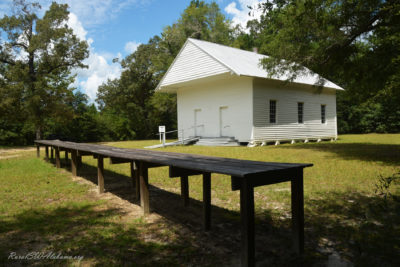
This is one of the oldest churches in the county. The date that the church was organized is unknown; however, it was prior to 1856. The congregation’s …
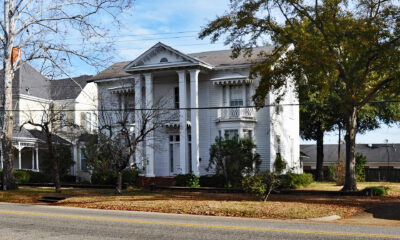
Built prior to 1847, this is a two-story, Italianate home that has a full-height porch with front gable. Exterior features of the house include bay wi …
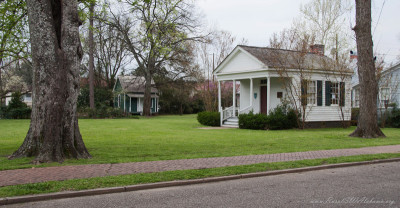
Heritage Village at Selma is the site of several 1800’s structures that were donated to the Selma-Dallas County Historic Preservation Society by priva …
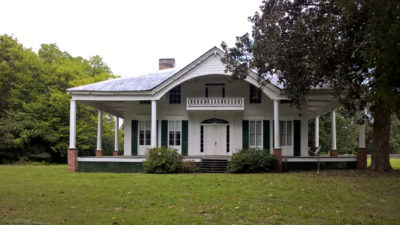
This two-story, plantation home was built circa 1850. The house design is attributed to local builder William T. Mathews. This house has an unusual st …
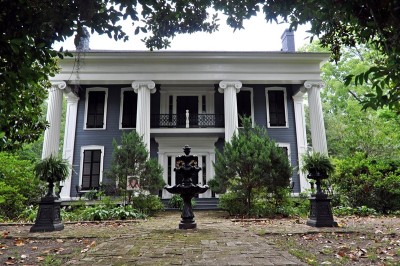
The Capt Edwin Reese House, also known as the Basil Hall, is a historic Greek Revival style house in Eutaw. The house is a two-story wood framed build …
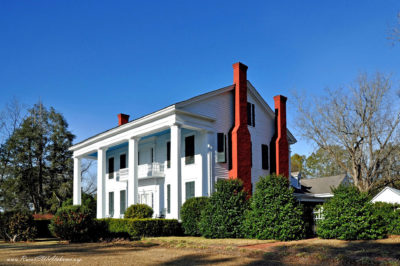
This house is a classic Greek Revival plantation home that was built circa 1853 for Captain Nathan Carpenter, who had served with the Eutaw Rangers in …
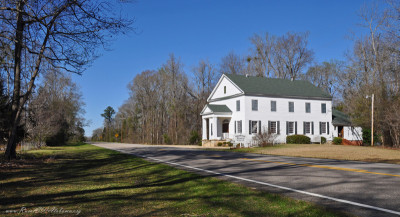
Carlowville is a small community in southern Dallas County. Shown is the Carlowville Baptist Church. Local tradition attributes the design of this two …
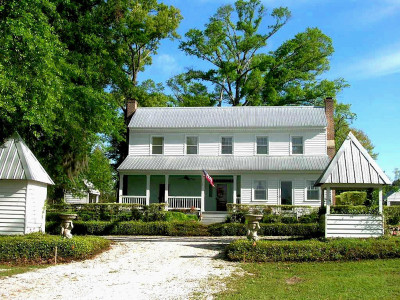
This home was constructed in the late 1830’s or early 1840’s by either Addison Scarbrough or Edmond Hobdy. Mr. Hobdy built several homes in the area d …
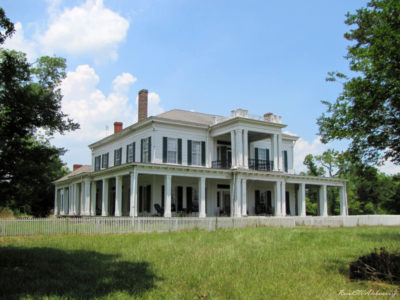
Cedar Grove, also known as the Charles Walker House, is a Greek Revival plantation house located in Marengo County near Faunsdale. This plantation hom …
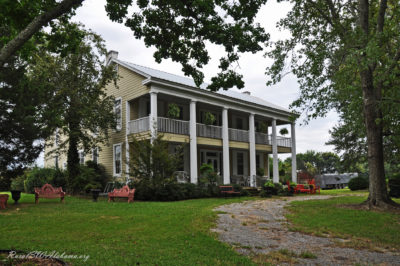
This home was built sometime during the 1830s and 1840s by James Bishop Chambers and his wife, Rebecca Adams Chambers. The house was originally “plant …
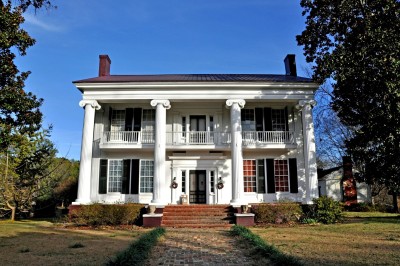
The Coleman-Banks house, also known as the James Oliver Banks house, is the first of four antebellum homes at Eutaw, AL to have original colossal-orde …
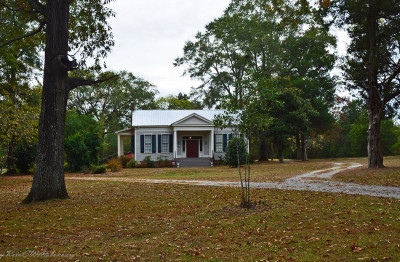
This Greek Revival house was built about 1833 by William S. Craig. It has outside chimneys and double doors with sidelights. The small porch at the fr …
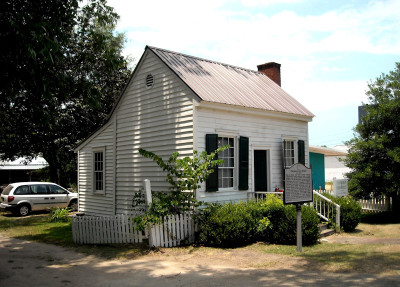
This office was built circa 1834 by Judge John Gates Creagh who was an attorney, commissioner, county treasurer, judge of county orphans court and sta …